Is EVA Bag Wholesale Worth It in 2026? The Ultimate Guide for Retailers
Introduction Is EVA bag wholesale still a profitable business in 2026? Many retailers and distributors across the US and Europe

When planning a day at the beach, the last thing you want to worry about is whether your beach bag can withstand the elements. A durable beach bag isn’t just a convenience—it’s a necessity. From sunscreen and towels to snacks and swimsuits, your bag carries essentials that deserve protection from sand, water, and sun. But with so many materials on the market, how do you choose the right one? This guide dives into the factors influencing material selection and highlights the best options for long-lasting beach bags.
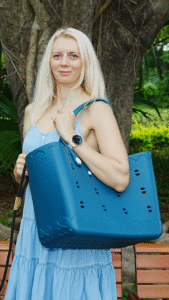
1. Introduction to Durable Beach Bag Materials
Beach bags face unique challenges. Sand infiltrates every nook and cranny, saltwater corrodes zippers, and UV rays fade colors over time. The wrong material can lead to a sagging, discolored, or even torn bag after just a few uses. Selecting the right material ensures your bag remains functional, stylish, and reliable season after season.
2. Key Factors Influencing Material Choice
Water Resistance:
Beach bags often encounter moisture from spills, rain, or splashes. Materials like nylon and polyester excel at repelling water, while natural fibers like cotton absorb it. If you plan to submerge your bag (e.g., for water sports), look for waterproof options like neoprene or treated EVA.
UV Protection:
Prolonged sun exposure causes fading and material breakdown. UV-resistant materials, such as polyester or those with added coatings, retain color and strength longer. Darker colors also tend to resist fading better than lighter ones.
Sand Resistance:
Sand clings to fabric, making cleanup tedious. Smooth, non-porous materials like EVA or coated canvas shed sand easily, while woven textures trap it. Mesh pockets can help drain sand but may not prevent it from entering the main compartment.
Weight & Portability:
A heavy bag becomes cumbersome when filled. Lightweight materials like nylon or neoprene reduce strain, but balance this with durability—flimsy materials might tear under load.
Cleaning Ease:
Salt, sand, and sunscreen stains demand easy maintenance. Machine-washable fabrics like polyester save time, while materials requiring hand-washing (e.g., untreated canvas) demand more effort.
3. Top Materials for Durable Beach Bags
Canvas:
Canvas is a classic choice known for its ruggedness. Made from cotton or a cotton-poly blend, it resists tears and wears well over time. However, untreated canvas absorbs water, becoming heavy and prone to mildew. Waterproofing treatments can mitigate this but add maintenance steps. Canvas is ideal for casual beachgoers who prioritize aesthetics and don’t mind occasional upkeep.
Nylon:
Nylon is a go-to for lightweight durability. It dries quickly, resists water, and holds up to rough handling. Ripstop nylon, reinforced with a grid pattern, prevents small tears from spreading. Its main drawback? UV exposure weakens fibers over time, so avoid leaving it in direct sunlight for extended periods. Nylon suits active users who need a bag for both beach trips and hikes.
Polyester:
Polyester combines durability with fade resistance. It’s easy to clean, dries fast, and maintains its shape well. While less breathable than natural fibers, it’s a practical choice for those who want a low-maintenance bag. Polyester works for families or frequent travelers who need a bag that looks new after multiple uses.
Neoprene:
Originally used for wetsuits, neoprene is flexible, waterproof, and shock-absorbent. It protects fragile items like electronics and resists sand adhesion. However, it’s pricier and can trap heat, making the bag uncomfortable to carry in hot weather. Neoprene is perfect for water sports enthusiasts or anyone needing a bag that doubles as a protective case.
Recycled/Eco-Friendly Materials:
Sustainability-conscious consumers may opt for recycled plastics, jute, or organic cotton. Recycled materials divert waste from landfills but vary in durability based on processing. Jute, for example, is biodegradable but less water-resistant than synthetics. Evaluate trade-offs between eco-appeal and performance based on your priorities.
4. Comparing Material Performance
Here’s a quick overview of how these materials stack up:
| Material | Pros | Cons | Best For |
|---|---|---|---|
| Canvas | Durable, classic look | Heavy when wet, requires treatment | Casual use, style-focused users |
| Nylon | Lightweight, quick-drying, affordable | UV sensitivity, prone to pilling | Active lifestyles, outdoor trips |
| Polyester | Fade-resistant, easy to clean, low-cost | Less breathable, static-prone | Frequent travelers, families |
| Neoprene | Waterproof, flexible, protective | Expensive, retains heat | Water sports, fragile items |
| Recycled | Eco-friendly, unique textures | Variable durability, limited styles | Sustainability advocates |
Scenario-Based Recommendations:
Water Sports: Neoprene or treated nylon.
Family Outings: Polyester or ripstop nylon.
Casual Use: Canvas or jute.
Eco-Conscious Choices: Recycled plastics or organic cotton.
5. Additional Features That Enhance Durability
The right material is just the start. Look for these features to maximize longevity:
Reinforced Stitching: Double-stitched seams prevent fraying.
Rust-Resistant Hardware: Zippers and buckles made from corrosion-resistant metals (e.g., stainless steel) last longer in salty environments.
Padded Handles: Ergonomic designs reduce hand strain, especially for heavy loads.
Mesh Panels: Ventilated pockets allow sand and water to drain, keeping contents dry.
6. Maintenance Tips for Prolonging Lifespan
Proper care extends your bag’s life:
Cleaning: Hand-wash nylon/polyester with mild soap; machine-wash polyester on a gentle cycle. Avoid wringing wet canvas—reshape and air-dry.
Storage: Store in a cool, dry place away from sunlight. Avoid folding neoprene for long periods to prevent creasing.
Repairs: Patch small holes with adhesive fabric patches. Reinforce loose seams with fabric glue or stitching.
7. User Reviews & Real-World Examples
Real users offer valuable insights:
“I’ve used my nylon beach bag for two years of weekly trips. It’s faded a bit, but it’s still intact!” – Sarah, avid beachgoer.
“The polyester bag I bought for my kids is a lifesaver—it wipes clean in seconds!” – Mark, father of three.
“I love my neoprene tote for kayaking. It keeps my phone dry, and sand shakes right off!” – Lisa, outdoor enthusiast.
8. Conclusion & Final Recommendations
Choosing the best material for your beach bag depends on how you’ll use it. Canvas offers timeless style but demands care; nylon and polyester balance durability with convenience; neoprene excels in wet conditions; and recycled materials align with eco-values. Prioritize your needs: Do you value lightness, waterproofing, or sustainability?
At our production facility in China, we specialize in crafting beach bags from premium, eco-friendly EVA—a material that checks all the boxes for durability, water resistance, and easy maintenance. Our bags are designed for travelers, families, and anyone who wants a reliable, stylish companion for beach days, weekend getaways, or everyday errands. With reinforced stitching, rust-resistant hardware, and spacious interiors, our EVA beach bags blend practicality with longevity. Whether you’re lounging by the shore or exploring coastal trails, our bags make transporting essentials effortless and fashionable. Consider your habits, weigh the pros and cons, and invest in a bag that’s built to last—like ours.